Turkmenistan B2B Tour Packages | Best DMC Rates | Dunya Travel
Turkmenistan Travel Guide for Indian Tourists: Your Silk Road Adventure
Turkmenistan is one of the world’s most mysterious, untouched, and captivating travel destinations. For the Indian traveler, it offers a fascinating blend of ancient Silk Road history, surreal desert landscapes, and the striking, record-breaking white-marble architecture of Ashgabat.
Note: Turkmenistan is a highly regulated destination. Unlike other countries, it is not a “spontaneous” travel destination and requires dedicated planning. This guide will help you navigate the process.
Why Indian Travelers Should Visit Turkmenistan
Beyond the borders of the familiar, Turkmenistan offers an experience that resonates with history-loving Indian travelers:
Cultural Resonances: From shared Silk Road trade histories to a mutual appreciation for rich traditions and hospitality, Indian travelers often find surprising commonalities in Turkmen culture.
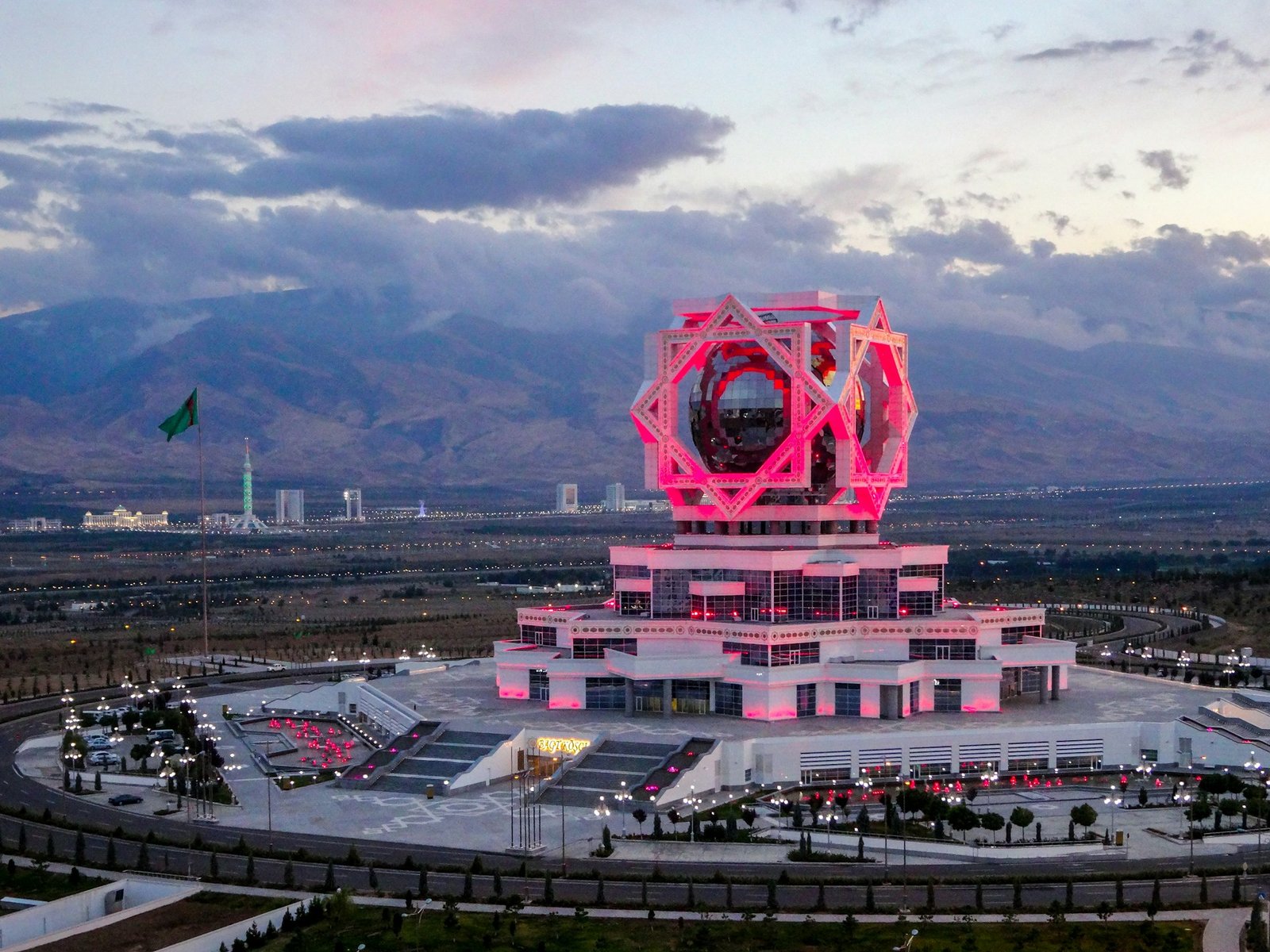
Architectural Marvels: Ashgabat, the “City of White Marble,” is a visual masterpiece that offers a sharp, modern contrast to the historical charm of India’s heritage cities.
Untouched Natural Wonders: Experience the Darvaza Gas Crater (the “Door to Hell”) or the vibrant, multi-colored rock formations of Yangykala Canyon—landscapes that are truly world-class and perfect for photography.
Turkmenistan holds a unique allure for Indian travelers, rooted in centuries of shared history, deep cultural parallels, and some of the most surreal architectural and natural landscapes on the planet. For an Indian audience, the appeal lies in the intersection of the familiar and the truly extraordinary.
1. Deep Historical & Cultural Connections
Indian travelers often feel a sense of resonance when exploring Turkmenistan because the two nations share an ancient civilizational bond that dates back to the Silk Road.
Civilizational Links: Archaeological evidence confirms trade and cultural exchanges between the Indus Valley Civilization and Bronze Age settlements in Southern Turkmenistan.
Cultural Staples: Indian culture—particularly Bollywood films, music, Yoga, and Ayurveda—is widely appreciated in Turkmenistan. The popularity of these elements in Ashgabat provides a warm, welcoming “bridge” for Indian visitors.
Historical Landmarks: The “Turkmen Gate” in Delhi, built in honor of the Sufi saint Shah Turkmen Bayabani, is a physical testament to the long-standing ties between our people. Similarly, discovering Buddhist stupas and statues in the ancient ruins of Merv offers a fascinating connection to India’s own spiritual history.
2. The Architectural Wonder of the “White City”
For Indian tourists who appreciate grandeur, Ashgabat’s transformation into a “White Marble City” is nothing short of breathtaking.
Unrivaled Grandeur: Ashgabat holds the world record for the highest concentration of white marble buildings. The scale of these structures—from the massive Kipchak Mosque to the futuristic “Palace of Happiness”—is a visual marvel that defies expectations.
Modernity Meets Tradition: The cityscape offers a fascinating contrast to the bustling, historic streets of Indian cities. The clean, pristine marble facades under the Central Asian sun create a “utopian” aesthetic that is perfect for travelers who value architectural photography.
3. Surreal Nature for the Adventurous Soul
For those accustomed to the diverse landscapes of India—from the Himalayas to the Thar Desert—Turkmenistan offers a “next-level” wilderness experience.
The “Door to Hell” (Darvaza): This perpetually burning gas crater in the Karakum Desert is one of the world’s most iconic “bucket list” sights. Camping under the stars next to a glowing, fiery crater is a surreal experience that is fundamentally different from any natural site in India.
The “Canyons of Fire”: Yangykala Canyon offers dramatic, multi-colored rock formations. Its vivid oranges, pinks, and reds provide a striking landscape that appeals to those who appreciate the raw, dramatic beauty of regions like Ladakh, but with an entirely unique Central Asian geological character.
4. Culinary Familiarity & Hospitality
Turkmen cuisine offers a bridge for Indian palates, with familiar elements that make the experience comfortable and enjoyable:
Shared Staples: Turkmen pilaf (palaw), fresh flatbreads, and grilled meats will feel familiar to many Indian visitors.
Hospitality: The culture emphasizes tea and hospitality, which mirrors the warm, guest-oriented values of Indian society. Visitors are often treated with a level of respect and genuine curiosity that makes them feel less like tourists and more like honored guests.